Design

Design-thinking and architecture to transform how accessing justice looks and feels
Jaldi-Vidhi
JALDI Lab turns justice research into practical solutions through interdisciplinary collaboration.
Design-thinking and architecture to transform how accessing justice looks and feels

Tech-driven solutions to increase efficiency and transparency across the system

Principles of management to drive judicial process reengineering and administrative reforms

Rules and policies to guide implementation of reforms in a fair, just and transparent manner.

The Design Handbook seeks to envision and implement a user-centric District Court Complex responsive to the needs of all diverse users, i.e., litigants, judges, lawyers, Court staff, witnesses, accused persons, police, public visitors and other stakeholders in the justice system. A principles-based framework is used to highlight associated guidelines and design considerations, for creating truly inclusive, accessible, efficient, comfortable, adaptable, and sustainable Courts where the experience of seeking and providing justice is significantly improved.


Introducing the Court Design Handbook
Court Design Handbook: Reimagining Courts that meet the needs of all users
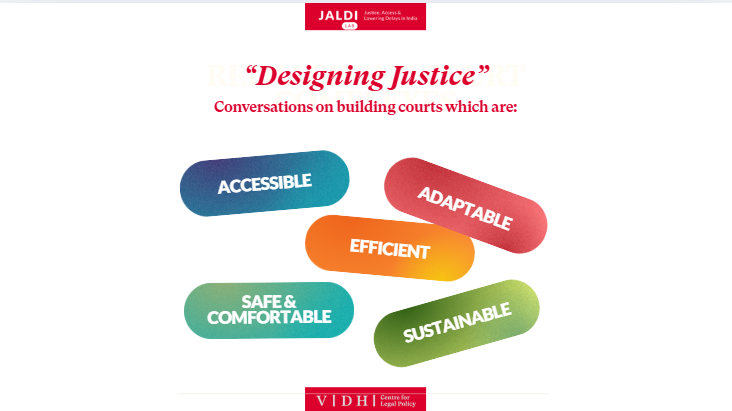
Designing Justice: Introducing JALDI's New Video Series
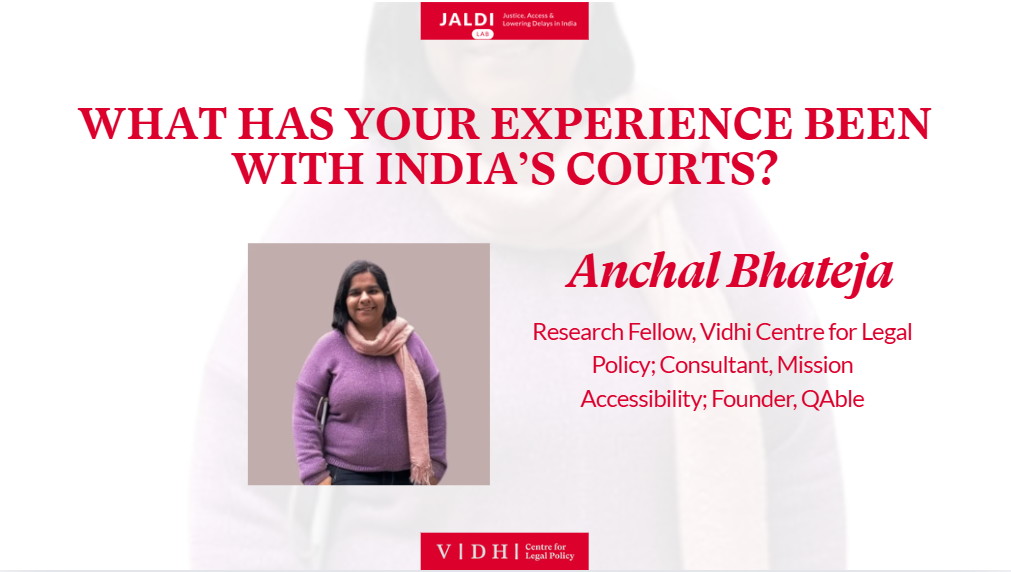
Designing Justice: Interview with Anchal Bhateja

The purpose of this consultation series is the formulation of a Model Civil Rules of Practice to modernise civil litigation in India’s District Judiciary. To achieve this, each paper in the series comprehensively looks into a specific stage in the lifecycle of a civil suit, questions the current processes and reimagines them with technology and simplified legal rules at its core.


Introduction to the series

How can we improve e-Filing in courts?
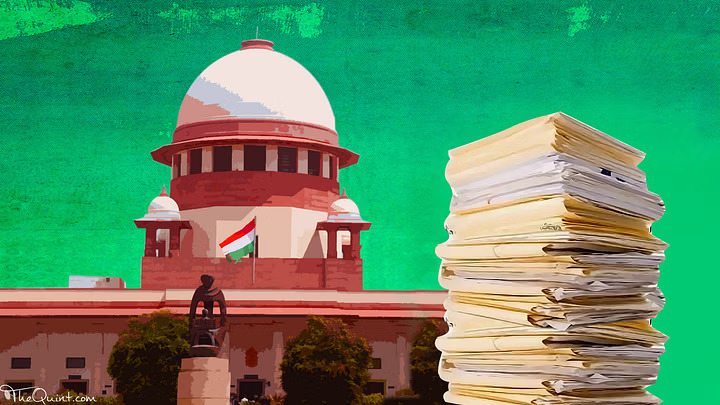

The piece examines the recent incident of misconduct by a litigant before the Supreme Court and asks whether it reflects a deeper crisis of faith in the judiciary. Drawing on her own experience as an advocate, the author highlights the various systemic issues that can erode a litigant’s confidence in the courts, and argues that strengthening the judiciary requires addressing not only such conduct but also the conditions that may give rise to it.


The POCSO Act aims to protect and empower children and communities; however, clashes between customary practices and the letter of the law can lead to a breakdown in trust and, ultimately, betray the very persons it seeks to protect. In this piece, the authors look at how over-inclusion (criminalising consensual, customary practices) and under-protection (ineffective response to community intimidation) can risk undermining the application of the POCSO Act in tribal communities in Odisha.


Drawing on observations of proceedings before a POCSO Court, the author reflects on what the criminal justice process might be like for a victim. Although legal safeguards and a fair trial are important, the author ponders over the victim’s experience, dignity and need for support throughout the process. Ultimately, the blog reflects the idea that justice for a victim is not only experienced in the final outcome, but throughout the journey.

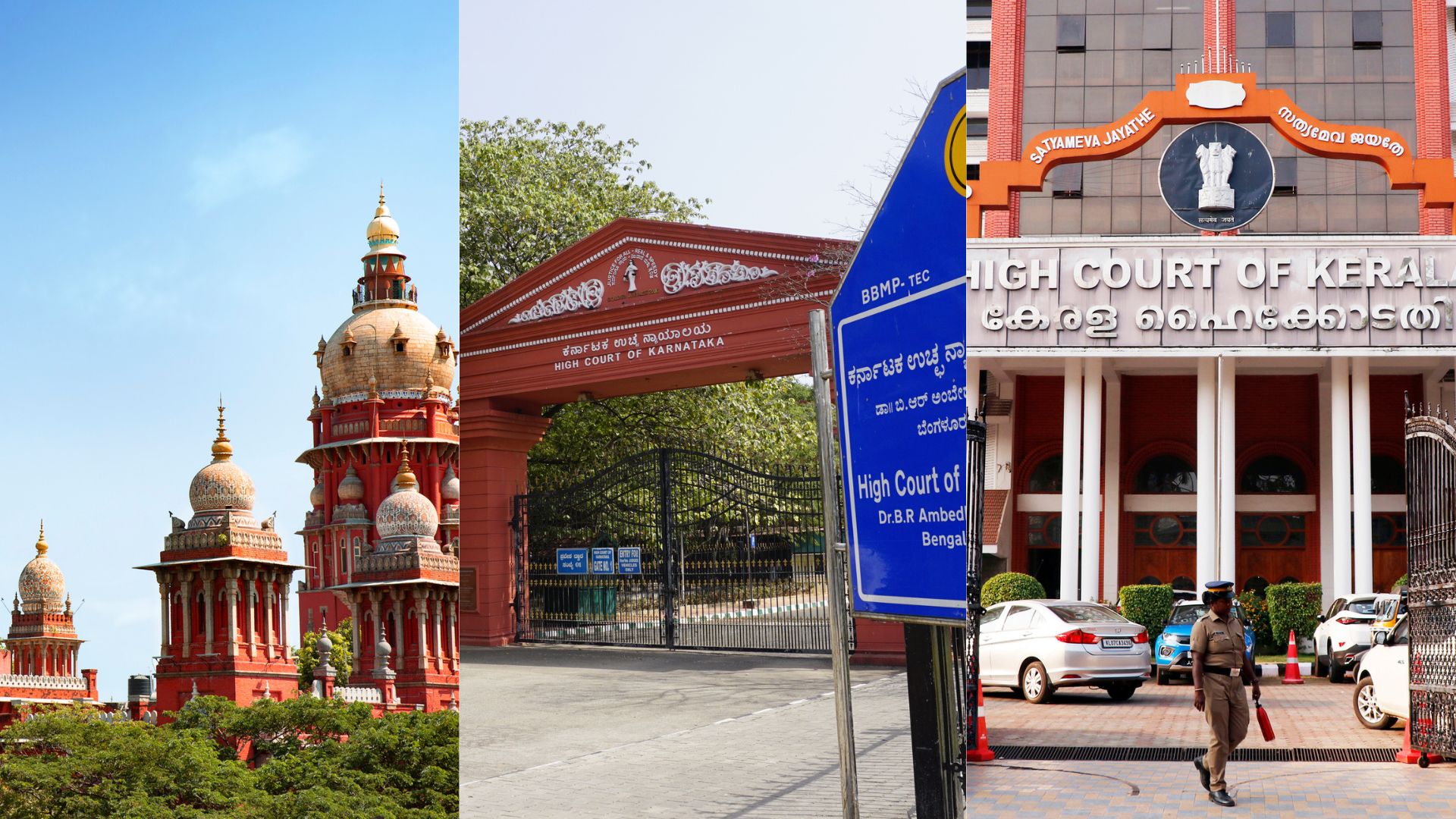

The author highlights the differences in her experiences as an intern at three different High Courts in the country. She notes that the distinct practices, procedures and even courtroom etiquette across these courts are not formally taught to interns, rather, interns are expected to observe and learn them on their own.

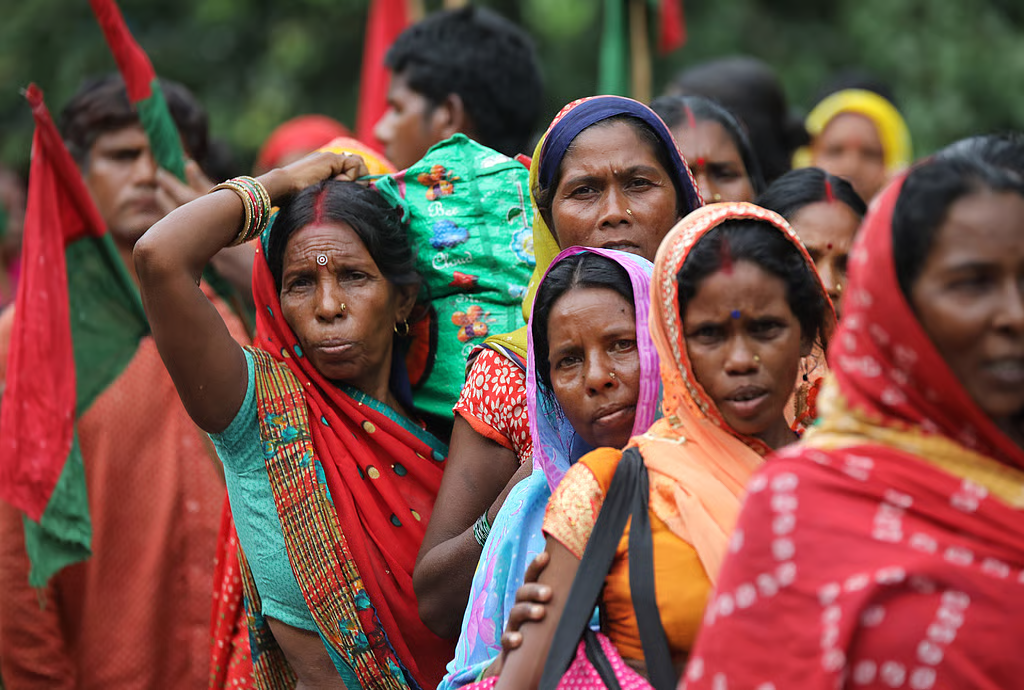
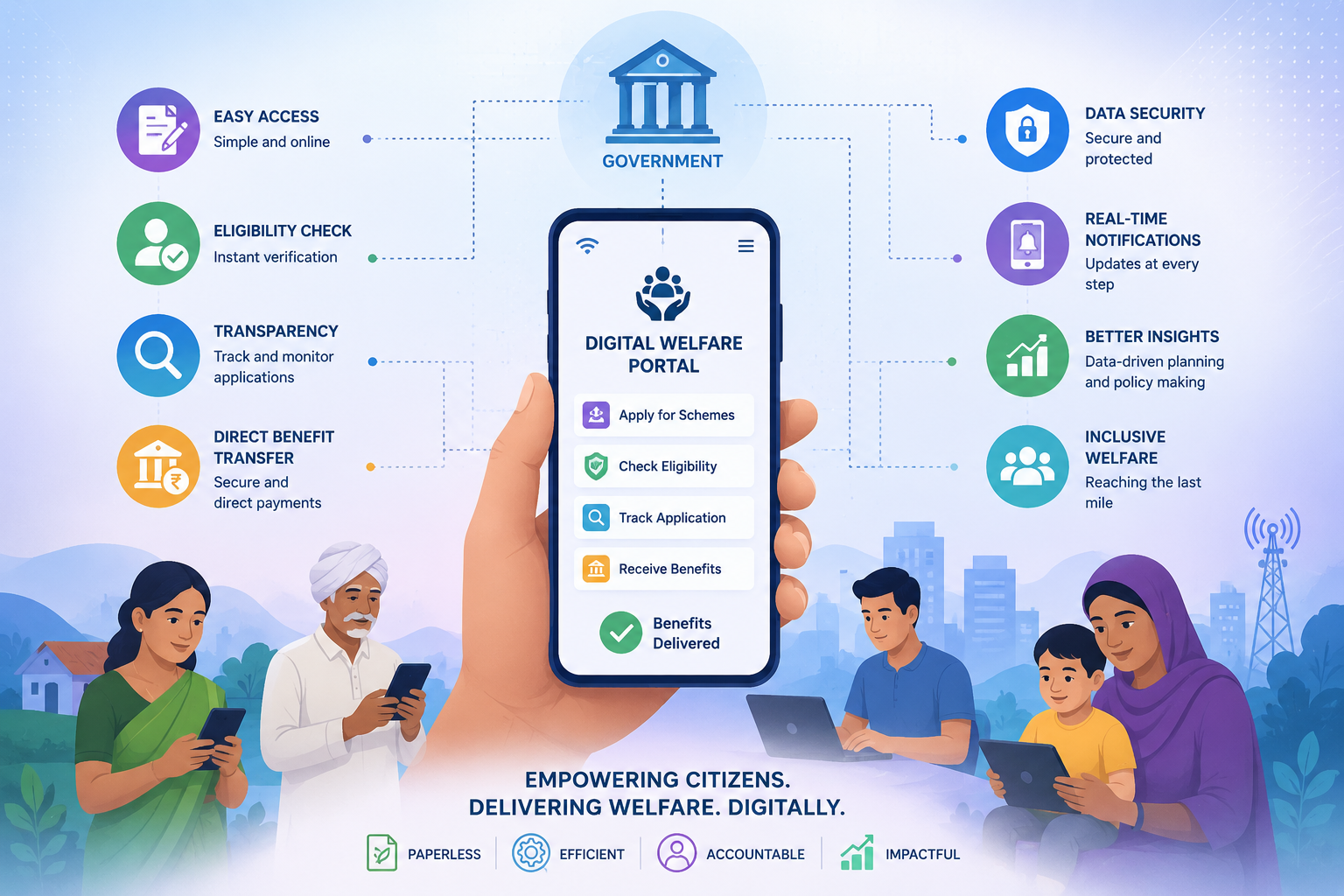
In this piece, the author reflects about her fieldwork undertaken as part of internships with Government institutions and NGOs through which she noticed how technical bottlenecks in digital welfare delivery systems impact citizens' entitlements. She demonstrates how digital failures in implementing government schemes go beyond mere administrative oversight, and are, in fact, evidence of entrenched exclusion, adversely affecting due process.


Reflecting on a first litigation internship at the City Civil Court in Bengaluru, this blog looks at whether the cause list can be made more accessible by introducing digital displays. Unlike the Karnataka High Court’s real time digital cause list display, trial courts still rely on physical presence in the courtroom and word-of-mouth updates.



In this piece, the author reflects on her experience as an intern at the family court, where she observed a matrimonial matter that raised questions about resource asymmetry, procedural delay and access to justice in family court litigation

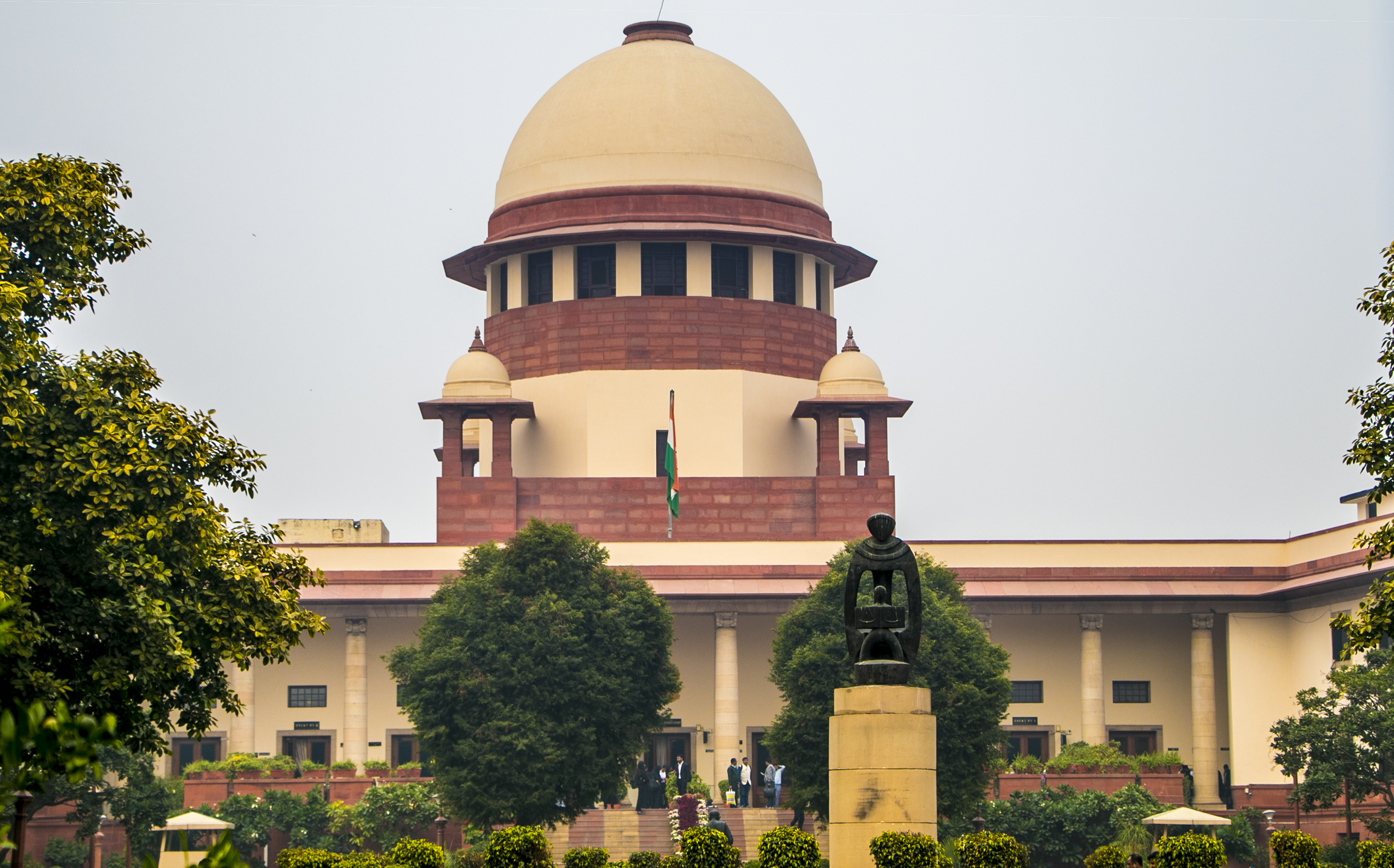
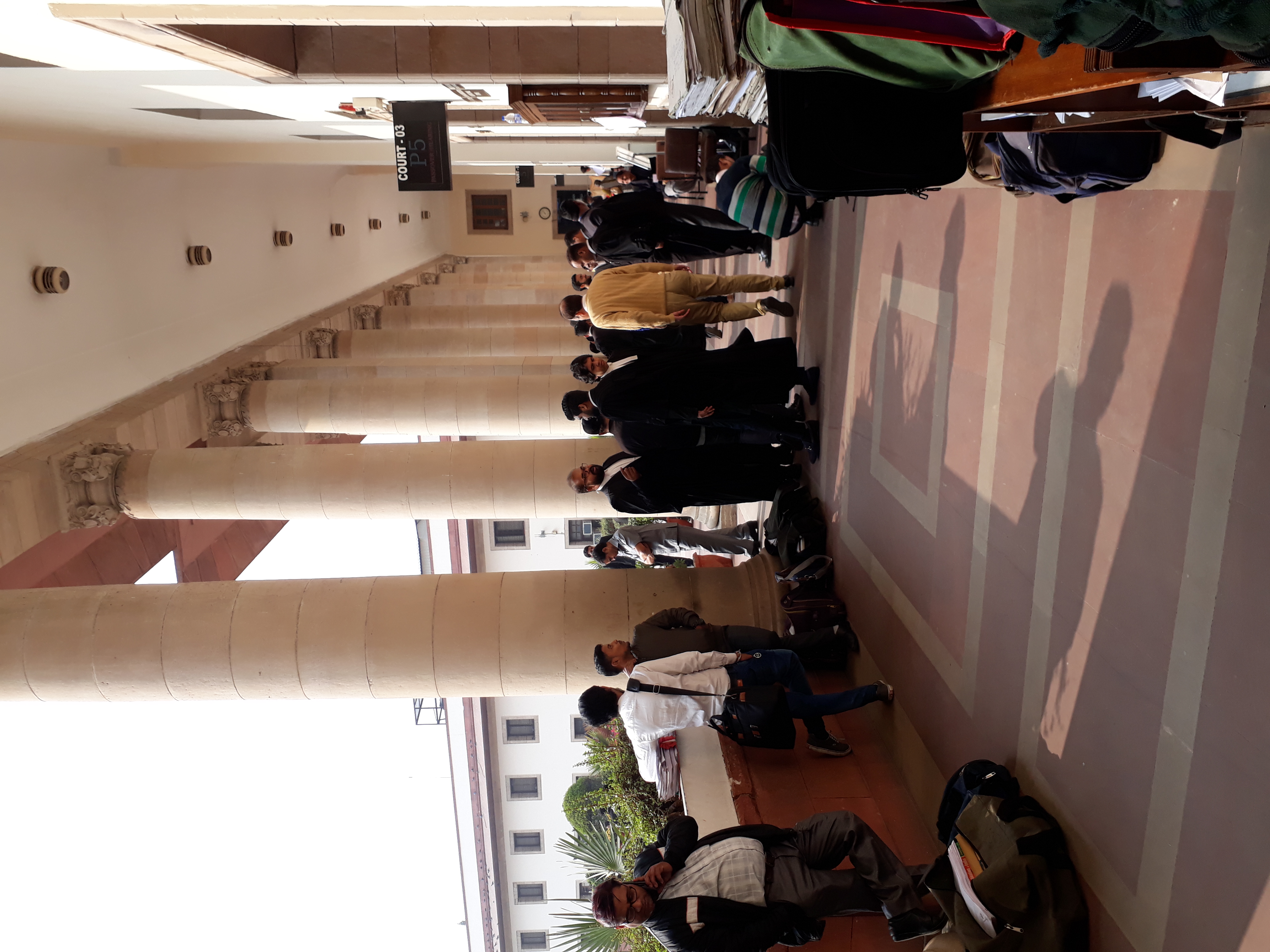
This blog reflects on a single day spent as an intern in the Supreme Court of India in October 2025. Using that experience, it examines the Court not only as a site of judicial authority, but as an institution sustained by largely unseen labour - support staff, security personnel, bailiffs, registry officers, clerks, and other workers who are invisible in public narratives about justice. The piece also explores how access to the Court is mediated through administrative protocols, including the SuSwagatam e-pass system, restrictions on intern entry, and the practical logistics of movement, and courtroom observation.


The author traces her journey visiting a court for the first time. Using JALDI's self-audit checklist, she examines shortfalls in accessibility, hygiene and maintenance at the publicly-accessible areas of the Court Complex.

The author reflects on her experience at a family court in Delhi where she was privy to a divorce settlement. She sheds light on the asymmetries that characterise post-divorce outcomes along the lines of gender and how existing legal remedies are not always capable of addressing the same.



The author utilises JALDI's self-audit checklist, designed for the use of litigants and public visitors to courts, to audit infrastructure facilities at publicly-accessible areas of Bangalore's Mayo Hall (civil court) and Nyaya Degula (family court) complexes.



The author reflects on her observations during an internship at the Bengaluru family court, where she witnessed domestic violence and maintenance proceedings. Through these experiences, she examines how survivors often approach the legal system not only for remedies, but also for recognition, protection, and trust.



The author describes her experience of getting registered with the Karnataka State Bar Council and suggests changes that could make the process easier for both the applicant and the bar councils.


As part of our study on tracking changes in gender diversity in the district judiciary over the last few years, JALDI filed RTI applications with High Courts across India, seeking information on appointments during this period. In this piece, the authors recount some of the challenges encountered in this process, including difficulties in making payments, tracking the status of applications, and receiving varied responses. They offer suggestions for a more streamlined and comprehensive RTI application process which will ensure that it lives up to its promise of accessible and timely information.


The advent of the eCourts app has been touted as a means to streamline tracking case details and progress. In this piece, the author highlights how concerns with incomplete data entry and technological barriers result in such measures not being effectively utilised.


Told through the experiences of a young lawyer, this blog highlights the crucial yet often overlooked role that court officers play in the effective administration of justice. From a lawyer's perspective, she conveys how bench clerks go beyond their job description and helps young advocates develop a complete understanding of courtroom procedure.


Litigants are perhaps the most important stakeholder for the judiciary, but how often do litigants feel that they are part of the judicial system? If a judge who holds the power to alter the course of a litigant's life makes an effort to be compassionate towards them, it would go a long way in making litigants feel that they are a part of the judicial system. In this regard, the blog explores how an act of compassion by judges not only makes litigants feel included but also builds a positive impression of the judiciary in the eyes of external observers of the court.


The author reflects on his experience as an intern at the Bangalore Mediation Centre to highlight how in practice, the mediation process often diverges from its underlying statutory principles and how such deviations can have significantly amplified real-world consequences.


In this piece, the author reflects on her experience of observing Habeas Corpus proceedings and highlights how judicial delays are compounded by operational and staffing deficiencies within police agencies.


Following a visit to a Juvenile Observation Home which seeks to rehabilitate children in conflict with the law, the author reflects upon the need for a holistic and compassionate system for ensuring that rehabilitation truly addresses individual stories and requirements as part of a child-centric approach to justice.


In this piece, Mishtha Sharma reflects upon her experience as an intern in the first year of law school when she interned with a trial court advocate in New Delhi. The author notes that a lack of uniformity, inclusivity, and guidance during litigation internships in early years actively pushes away young minds from litigation.


The author recounts the story of a family friend’s 14-year property dispute, highlighting how routine delays, ex-parte orders and systemic backlogs erode public faith in the legal system, particularly for vulnerable persons.


A personal reflection on how food became a steady part of everyday life at the Karnataka High Court, from rushed morning kachoris and strong coffee to comforting afternoon rice baths and the small sweetness of a single gulab jamun. It traces the end-of-day rituals at the parking-lot food haven: Indianised pasta, fresh Kerala parottas, fruit chaat and masala puri; and shows how these small meals offered comfort, routine, and a way to let the weight of the day go.


The author narrates her experience with security systems across two High Courts in India, the Madras High Court and the Karnataka High Court, briefly comparing it with her experience with the security process in place at the Supreme Court of Australia at New South Wales. The piece examines the thin line between effectively securing high court premises and unreasonably restricting free access to the common man.


In this piece, the author reflects on their experience of interning at the family court, highlighting the cultural biases faced by women lawyers and judges and the need for transcending gendered assumptions in determining legal competence.


The author reflects on their firsthand experience within the prison system, highlighting the deep inequities faced by undertrial prisoners and the urgent need for reform in India’s criminal justice process.


First published in 'Law and Other Things', the authors trace the everyday struggles and concerns of a litigant in a POCSO case, based on their experiences and interactions with litigants across India, to show gaps in current court design in this fourth part of a series on accessible court infrastructure in India.


In this second part of a series on e-RTI portals for High Courts in India, the author highlights specific technical bottlenecks and provides a comparative overview of the manner in which these portals fall short of their promise.


First published in 'Law and Other Things', the authors trace the everyday struggles and concerns being faced by a judicial officer at a District Court, based on their experiences and interactions with practising advocates across India, to show the gaps in current court design in this second part of a series on accessible court infrastructure in India.


In this first part of a series outlining the findings of a study of the availability and functioning of e-RTI portals for High Courts in India, the author identifies pitfalls in RTI availability and accessibility for citizens seeking justice.


First published in 'Law and Other Things', the authors trace the everyday struggles and concerns being faced by an advocate, based on their experiences and interactions with practising advocates across India, to show the gaps in current court design in this second part of a series on accessible court infrastructure in India.


First published in 'Law and Other Things', the authors describe the need for a user-centric, holistic approach to court design in this first part of a series on accessible court infrastructure in India.


The author recounts their experience of witnessing a community-based mediation, contemplating how these informal justice systems are sometimes more accessible to the ordinary person due to the privacy, speed, and cultural familiarity they offer.


A legal awareness workshop on the rights of forest dwellers, held in Jharkhand, highlighted contradictions between law and its implementation. The low legal consciousness among participants, combined with bureaucratic inefficiency and social marginalisation - notably that of Other Traditional Forest Dwellers (OTFDs) - have left them unable to claim their legal entitlements. The workshop underscored the need for legal support, community outreach, and accountability to enable forest communities to access their rights in a meaningful way.


In this piece, the author reflects on an eye-opening experience inside a juvenile home, questioning the gap between the rehabilitative ideals of juvenile justice laws and the harsh, impersonal realities faced by children in the system.


In this interview, advocate Amar Jain reflects on co-founding Mission Accessibility and on how he draws from his lived experience and legal expertise to advocate for accessibility and inclusivity for persons with disabilities.


The author reflects on their experience as an intern at the Maharashtra Commission for Women, offering firsthand insight into the complex realities of domestic violence cases.


All Courts in India must be accessible, adaptable, efficient, safe & comfortable, and sustainable for all.


In this piece, the author, Arvind, reflects on his first year as an advocate, navigating the Delhi High Court and Supreme Court while dealing with everyday challenges of accessibility of the Indian Courts


The authors reflect on women's experiences of Family Courts and highlight how socio-economic inequalities beyond courtrooms seep into the legal processes to disadvantage women.


Judicial clerkship at the High Court of Karnataka was a rigorous blend of legal research, courtroom exposure and judicial engagement, which shaped analytical and advocacy skills. Despite challenges like long hours and lack of formal training, it was a transformative experience that deepened legal understanding and professional growth.


The conversation on cyber harassment often focuses on stronger laws, but laws mean little if women do not feel safe using them. Sumukhi Subramanian reflects on her interactions with women who sought help from the police against cybercrimes.


In the second part of the blog series, author, Alok Prasanna, reflects on his first case in the Delhi High Court, offering readers a glimpse into the Court's inner workings—from procedural intricacies to the nuanced interplay of law and society within the courtroom.


The author reflects upon her learning from her days as a litigating lawyer that sometimes, despite the best intentions and all the legal safeguards in place, it’s impossible to help someone in the way they need.


In the first of this two-part blog post, the author recalls his first time filing a case as a young advocate working in the chambers of the then Additional Solicitor General of India. The author recounts the emotional journey of someone figuring out how to file a case and highlights the role that experienced staff play in the journey of a young advocate.


The author recounts her visit to a POCSO court, highlighting challenges such as lack of maintenance of child-friendly facilities, systemic delays, inadequate victim support. The piece calls for an urgent need for holistic reforms, to ensure timely justice and comprehensive care for survivors.


In this piece, the author, Prathiksha Ullal, walks down memory lane to share her experience as a research assistant to the Advocate General of Karnataka and contextualises the recently enacted Karnataka Government Litigation Act in relation to the trials and tribulations inherent in government litigation.


Since that day, I have daily felt that this profession is unreliable, uncertain and fluctuating, yet I’ve truly begun to enjoy this profession. A young advocate reflects on his experience on either side of the bench- as a law clerk and as a practicing advocate.


User-centric judicial infrastructure, which takes into account the requirements of all diverse users to improve their experience with Courts, is crucial. The authors discuss JALDI's "Court Design Handbook" initiative as a means of ensuring accessible, adaptable, efficient, safe & comfortable, and sustainable Courts in India.


The author recounts their experiences as a first-generation lawyer working at the Karnataka High Court. The author highlights that while litigation as a career is considered to be fast-paced, lawyers have to play a long-waiting game. The unreliability of the causelist, the impact of seasonal fluctuations, and the inadequate infrastructure make the system slow and unpredictable. Despite these frustrations, they learned the importance of patience and found that the year passed quickly.


The article highlights the infrastructural challenges faced by district courts in Delhi. These courts, despite their historical significance, often lack basic amenities like proper seating, space, and signage. The author takes the example of the Saket District Court to demonstrate how courts can be made accessible and argues that improving the infrastructure of district courts can significantly enhance the judicial process and ensure equal access to justice for all.


Based on personal experiences during internships, the author debates the efficacy of Court-mandated Family Court mediation in India.


Are courts daunting and unwelcoming spaces for newcomers? A first-time visitor recounts the bewildering experience of trying to navigate the everyday complexities of the court system, and calls for litigant-centricity to break down barriers to justice.


Noted Child Rights lawyer Mr. Anant Asthana highlights the issue of recidivism in the Juvenile Justice System, attributing it to a lack of will and coordination among the various actors within the ecosystem.


Based on personal experiences in the courts of Delhi and Karnataka, the author argues for the need for paperless courts in India. The piece highlights how digital systems can improve efficiency, accessibility, and environmental sustainability in the judicial process, while acknowledging the challenges of implementing such changes, particularly in overcoming resistance from those accustomed to traditional methods.


Our encounter with the bedrock of our criminal justice system was an insight into an arrangement that pays no heed to the securitisation of its premise as an important aspect for a Court where justice is sought and served. Two law interns describe the experience of their first interaction with the criminal justice system, at the lower-most level.


The author delves into the experiences of litigants within Indian courts, highlighting the challenges faced by them and proposing innovative solutions. Through stories and reflections, the author advocates for a more litigant-centric justice system that emphasises on communication, accessibility, and support for litigants navigating legal processes.


A new social worker recounts her first meeting with a child survivor, Bahaar, and observes how Bahaar's mother created a safe space that enabled her to disclose the abuse. This supportive environment helped Bahaar begin her healing journey. The experience underscores the vital importance of family support in a child's recovery from trauma.


A law student sheds light on the increasingly brazen displays of sexism, casteism and fractured secularism in everyday interactions in our courtrooms, and questions the law’s promise of ensuring equality in access to justice for all


A law intern explores the complexities of the family court system in this blog post and highlights the challenges faced by the litigants, which are exacerbated by their precarious financial conditions and the slow-moving pace of the courts.


The authors shed light on the seldom discussed issue of discrimination faced by legal interns with disabilities


An intern makes her way through the historical court complex of the Mayo Hall at Bengaluru and muses about the lack of accessibility and litigant-centricity in court design.